Damp is the defect we encounter most frequently in our surveys across Crowborough and East Sussex. It's also one of the most misunderstood — because not all damp is the same, the treatment options vary enormously, and the cost of getting it wrong can be significant.
I've seen homeowners spend thousands on chemical damp-proof injections for what turned out to be nothing more than condensation. I've also seen properties where genuine rising damp has been undiagnosed for years, causing progressive damage to floor joists and wall plaster. Getting a professional diagnosis before treating damp is always the right approach.
The Three Main Types of Damp
1. Rising Damp
Rising damp occurs when moisture from the ground rises through the masonry of a wall via capillary action. It's most common in older properties — particularly those built before the 1920s, when damp-proof courses (DPCs) weren't a standard feature of construction.
How to spot it: A band of dampness on ground-floor internal walls, usually no higher than about 1 metre. Often accompanied by tide marks, salt crystallisation ('efflorescence') on the wall surface, and deterioration of plaster and skirting boards. Wallpaper may be peeling at the bottom of the wall.
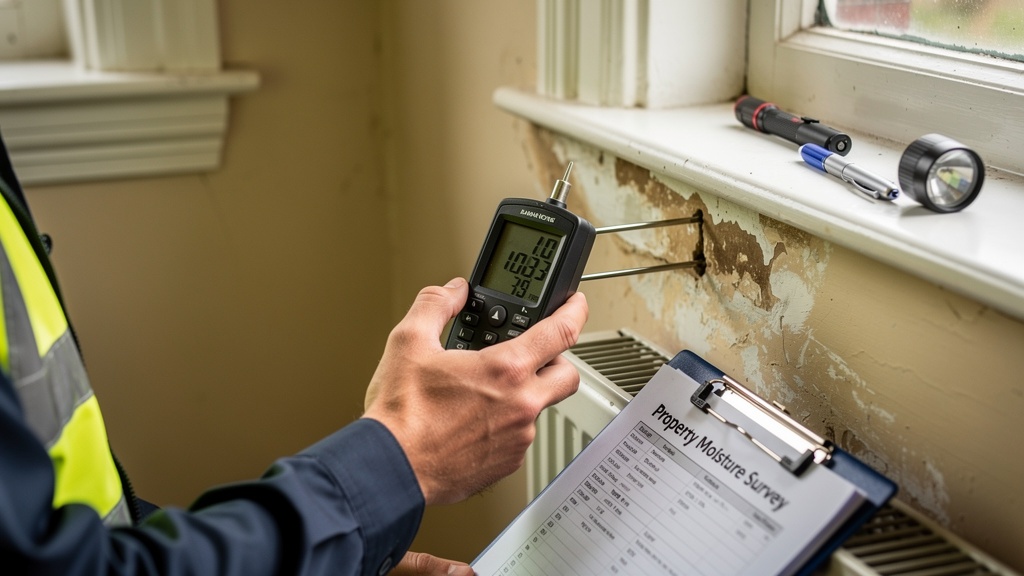
What we look for: Using a calibrated damp meter, we check moisture levels at regular intervals up the height of the wall. We look for the characteristic gradient of rising damp — highest at the base, reducing as it rises — and cross-reference with any chemical analysis where appropriate.
Treatment: Genuine rising damp usually requires a combination of addressing any bridging of the DPC (e.g. raised external ground levels), improving drainage, and possibly installing a new DPC. In many older properties, traditional breathable lime plaster is the appropriate remedial treatment — not chemical injection alone.
2. Penetrating Damp
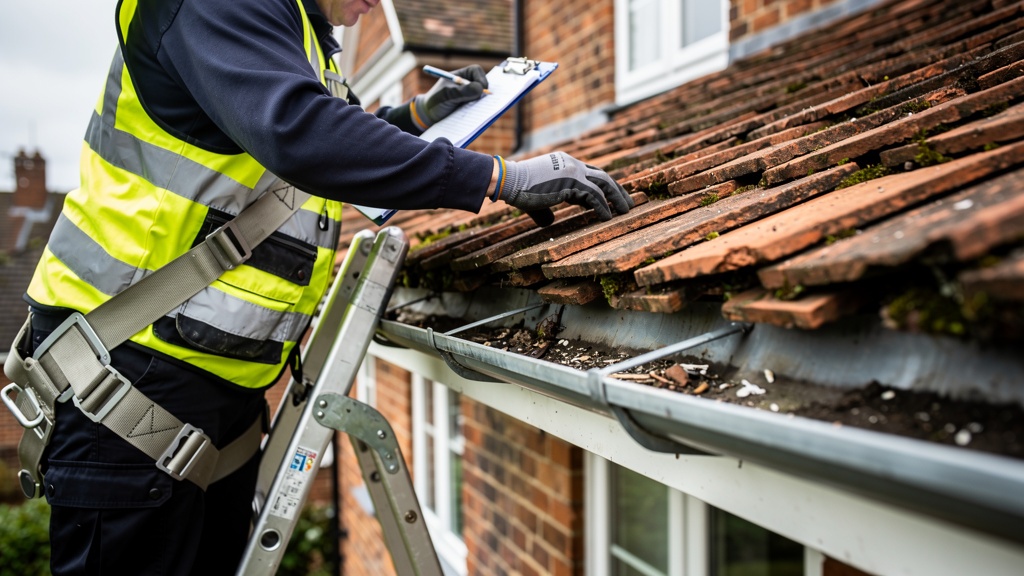
Penetrating damp is caused by water getting in from outside — through defective roofing, gutters, windows, render, pointing or other elements of the building fabric. It's extremely common in the older housing stock throughout East Sussex, particularly in properties where external maintenance has been deferred.
How to spot it: Damp patches on internal walls or ceilings, often appearing after rainfall or in wet conditions. The pattern and location of damp patches often gives clues to the source — for example, a damp patch on an internal chimney breast wall often points to a defective chimney flashing or failed chimney cap.
Treatment: Fix the source of water ingress. This almost always involves external repair work — repointing, rerendering, replacing flashings, repairing gutters. Once the source is fixed, the internal damp will dry out naturally over time.
"In my experience, penetrating damp is the most common type — and the most frequently misdiagnosed. I've seen numerous properties where an expensive damp-proofing treatment has been applied to what is actually a simple case of blocked gutters or failed pointing. Address the source first, always." — Robert Callahan, Senior Building Surveyor, Crowborough Surveyors
3. Condensation Damp
Condensation is the most common source of damp in modern properties and can also affect older homes — especially where improvements like cavity wall insulation or double glazing have reduced ventilation. Warm, moist air from cooking, bathing and breathing hits cold surfaces and condenses into liquid water.
How to spot it: Black mould growth on external walls, in corners, around window reveals and in cold spots. Often worst in bedrooms, bathrooms and kitchens. The mould is typically on the surface, rather than the material being structurally wet throughout.
Treatment: Improve ventilation — mechanical extract ventilation in kitchens and bathrooms, trickle vents in windows, and background ventilation where needed. Address cold spots by improving insulation. Condensation does not usually require damp-proofing treatments.
How Surveyors Assess Damp During a Building Survey
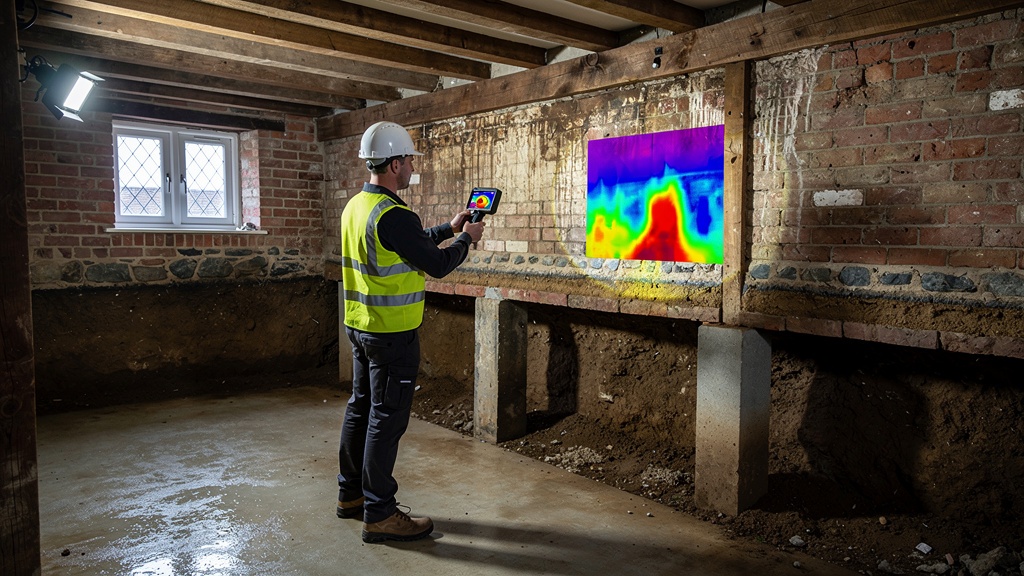
During a Level 3 Building Survey, our surveyors use a calibrated electronic damp meter to take readings at regular intervals across all ground-floor walls, basement areas, and any areas showing visual signs of dampness. We record both resistance and capacitance readings to help distinguish between different sources of moisture.
We also look at the pattern, height and distribution of any damp readings, cross-referenced with the external conditions of the building, drainage and any visible defects. A single elevated reading in isolation may be less significant than a consistent pattern of elevated readings at a consistent height.
What If Damp Is Found in a Survey?
If our survey identifies significant damp, we'll describe the likely cause, the extent of the problem, and what remedial works we recommend. We'll also advise whether you should commission a specialist damp survey from a remediation contractor — though we always recommend getting independent advice rather than relying solely on contractors who sell treatments, as they have a commercial interest in diagnosing damp that requires their services.
Damp findings can be used to negotiate on price or to ask the seller to carry out remediation before completion. Our survey report provides the evidence you need to have that conversation. Contact us to book a building survey in Crowborough or across East Sussex.