Buying your first home is one of the most exciting — and nerve-wracking — things you'll ever do. You've found a property you love, your offer has been accepted, and now your solicitor and mortgage broker are asking about surveys. It can feel overwhelming, especially when you're not sure what a survey actually involves or which one you need.
Don't worry. I've helped hundreds of first-time buyers in Crowborough and East Sussex understand their surveys and use them confidently. In this guide, I'll walk you through everything you need to know — in plain English, without the jargon.
Why Do You Need a Property Survey?
A property survey is a professional assessment of the condition of the home you're buying. It's carried out by a qualified chartered surveyor, and it tells you about the state of the building before you commit to buying it.
Here's the thing: estate agents work for sellers. They're there to get the best price for their client. A mortgage valuation (which your lender might carry out) is also done in the lender's interest — they just want to know the property is worth what they're lending against it. Neither of those is looking out for you.
A survey from an independent chartered surveyor is done entirely in your interest. It's there to tell you the truth about the property — good and bad — so you can decide whether to proceed and, if so, whether to negotiate on price.
"I had a client in Crowborough who nearly bought a 1930s semi without a survey because the estate agent told her it had 'just been refurbished.' The Level 3 survey revealed significant water ingress in the rear extension, a failing flat roof and original wiring throughout. She negotiated £15,000 off the asking price and avoided a nasty surprise. The survey cost £650." — Sophie Whitmore, Chartered Surveyor, Crowborough Surveyors
Which Survey Do First-Time Buyers Need?
There are two main survey types for residential homebuyers. Both are regulated by RICS (Royal Institution of Chartered Surveyors) and use a standardised format:
RICS Level 2 Home Survey
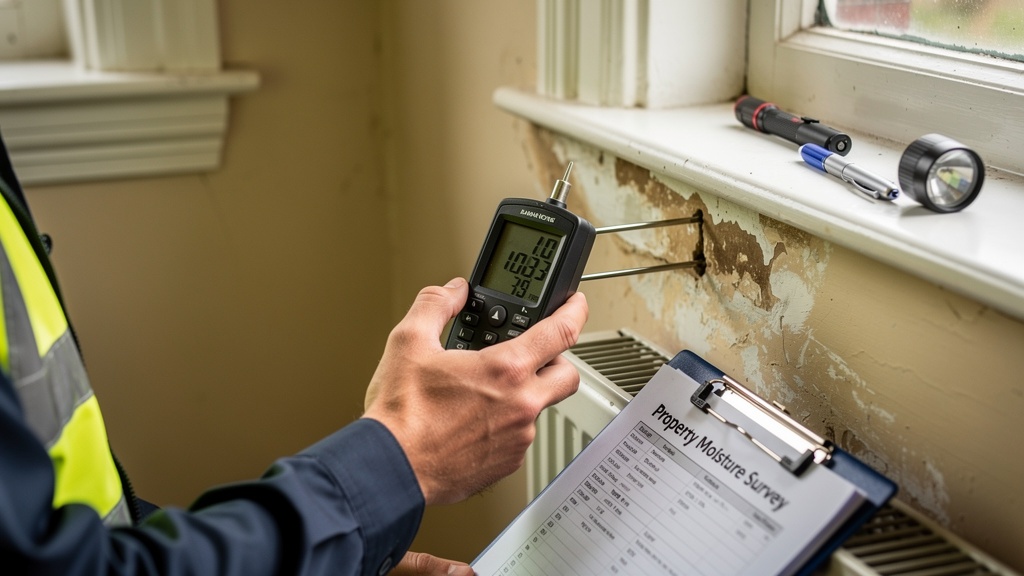
This is the most popular choice for conventional, well-maintained properties built after around 1960. It's a visual inspection of all accessible areas of the home, using a traffic-light condition rating system (1 = no action needed, 2 = repairs or maintenance needed, 3 = urgent attention required).
A Level 2 survey is a thorough health check on your prospective home. It will flag issues you need to be aware of, but it won't dig deep into the structure or investigate concealed areas. For a modern, standard property in good condition, this is often all you need.
RICS Level 3 Building Survey (Full Structural Survey)
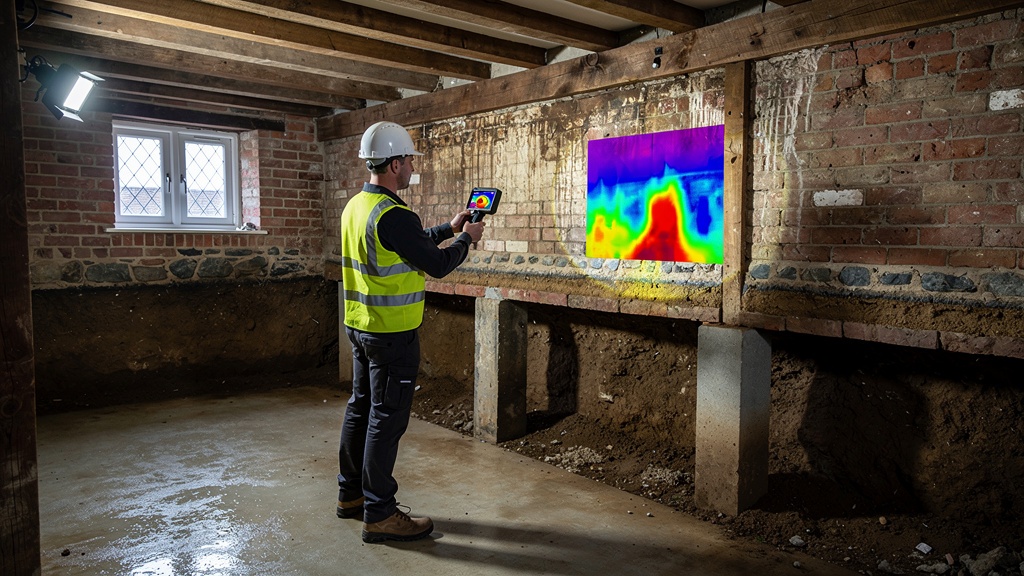
This is the most comprehensive survey available. It covers all visible and accessible elements of the property — including roof void and subfloor areas — and provides a detailed analysis of any defects found, their likely cause, and what works might be required to address them.
If you're buying a property in Crowborough or East Sussex that was built before 1960, is made of unusual materials, has been heavily extended, or shows any signs of issues, I'd strongly recommend a Level 3 survey. The older Victorian and Edwardian homes that are so common throughout our area are almost always worth the extra investment in a Level 3.
Quick rule of thumb
If in doubt, go Level 3. The difference in cost between a Level 2 and Level 3 survey is often just a few hundred pounds — a tiny fraction of the property's purchase price. The extra detail and peace of mind is almost always worth it for a first-time buyer.
What Happens During a Survey?
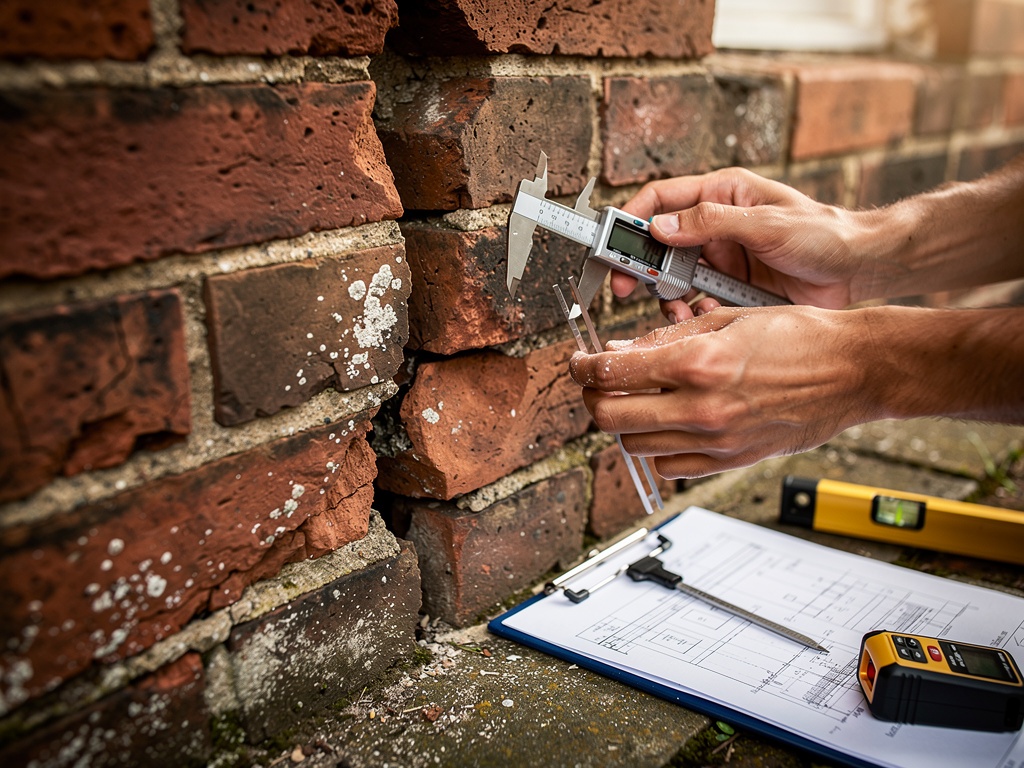
Your surveyor will arrange access to the property through the estate agent — you don't normally need to be present, though you're welcome to attend. The inspection itself takes between 2 and 4 hours for a typical house, depending on the size and complexity.
During the survey, your surveyor will inspect:
- The roof covering and structure (as far as accessible)
- Chimneys, stacks and flues
- External walls, damp proof course and drainage
- Windows, doors and frames
- Internal ceilings, walls and floors
- Loft space and roof void (if accessible)
- Subfloor void (if accessible)
- Services: plumbing, electrics, heating (visual inspection only)
- Outbuildings and site drainage
How Long Does It Take to Get My Survey Report?
After the inspection, your surveyor will write up the report. At Crowborough Surveyors, we typically deliver survey reports within 3–5 working days. We'll always call you once the report is ready to walk through the key findings and answer any questions.
How to Use Your Survey Report to Negotiate
This is where many first-time buyers feel unsure — but your survey report is a powerful negotiating tool. Here's how to use it effectively:
- Read the whole report. Focus especially on anything rated Condition 3 (urgent) or Condition 2 (repair needed).
- Get repair quotes. For significant issues, get quotes from a builder or specialist to understand the likely cost of rectification. Your surveyor can advise on who to contact.
- Decide on your approach. You can ask the seller to carry out repairs before completion, or negotiate a reduction in the asking price to reflect the cost of repairs.
- Be reasonable. The survey report isn't a list of bargaining chips. Focus on genuinely significant issues — trying to renegotiate on minor maintenance items will irritate the seller and could derail the sale.
"Most sellers expect some post-survey negotiation, especially for older properties. The key is to be specific, evidence-based and proportionate. Bring the repair quotes, make your case clearly and be prepared to compromise." — James Hargreaves, Principal Surveyor, Crowborough Surveyors
What If the Survey Reveals Serious Problems?
Sometimes a survey reveals problems that are serious enough to reconsider the purchase entirely. That's hard to hear, but it's far better to know before you buy than after. Common serious issues include:
- Significant structural movement (active subsidence)
- Severe or widespread damp and timber decay
- Dangerous roofing requiring full replacement
- Asbestos-containing materials in poor condition
- Unsafe electrics requiring complete rewiring
If you discover serious issues, you have the right to renegotiate, request remediation, or walk away from the purchase. Your deposit should be protected at exchange of contracts — not at the survey stage — so walking away before exchange means you don't lose any money (other than the survey fee).
Do I Still Need a Survey if the Property is New Build?
Yes — probably. New builds come with a builder's warranty (often an NHBC Buildmark warranty), but that doesn't mean everything is perfect. New builds regularly have defects, and a survey or 'snagging inspection' before you complete can result in the builder fixing issues at no cost to you. It's always worth it.
Final Thoughts for First-Time Buyers in East Sussex
Getting a survey on a property you're buying is one of the smartest investments you can make. The cost is small relative to the potential savings — and the peace of mind is priceless. As a first-time buyer in East Sussex, you're likely looking at properties with a mix of ages and construction types. An independent chartered surveyor who knows the local area is worth their weight in gold.
If you'd like to talk through which survey is right for your prospective property, or if you'd like a free, no-obligation quote, get in touch with our team at Crowborough Surveyors. We're always happy to help first-time buyers — no jargon, no hard sell, just honest advice.