The RICS Level 3 Building Survey is the most comprehensive property survey available to residential homebuyers. Yet many buyers still aren't sure exactly what it covers — or why they might need one. In this article, I'll take you through every element of a Level 3 survey, section by section, so you know exactly what you're getting and why it matters.
I've been carrying out building surveys in Crowborough and East Sussex for over 20 years. In that time, I've surveyed everything from tiny Victorian cottages to substantial Victorian country houses — and the thing that surprises people most is how much a thorough Level 3 survey can reveal about a property that looks perfectly fine on the surface.
What Is a RICS Level 3 Building Survey?
A RICS Level 3 Building Survey — previously called a Full Structural Survey — is a detailed, in-depth assessment of the condition and structure of a property. It's the most thorough survey that RICS offers and goes significantly beyond what a Level 2 Home Survey covers.
A Level 3 survey is particularly recommended for:
- Properties built before 1960 (including all Victorian and Edwardian homes)
- Listed buildings or properties in conservation areas
- Unusual construction methods (e.g. timber frame, flint, cob or prefab)
- Properties with obvious signs of defects or damage
- Properties you're planning to significantly extend or renovate
- Larger properties with extensive outbuildings or grounds
Section by Section: What the Survey Covers
1. External Areas: The Roof
The roof is one of the most expensive elements to repair or replace, and one of the most revealing parts of any survey. Our surveyors use binoculars, a drone camera where appropriate, and access via a ladder to visually inspect roof coverings, verges, eaves, flashings, valleys, ridge tiles and chimney stacks. A Level 3 survey will also access the loft void internally to inspect the roof structure, insulation, ventilation and any signs of water ingress or timber decay.
Common roof defects we find across East Sussex properties include: missing or slipped tiles, failing lead flashings, ridge tile movement, inadequate insulation, and — particularly in older homes — original timber structures showing signs of woodworm or wet rot.
2. External Walls, Chimneys and Drainage
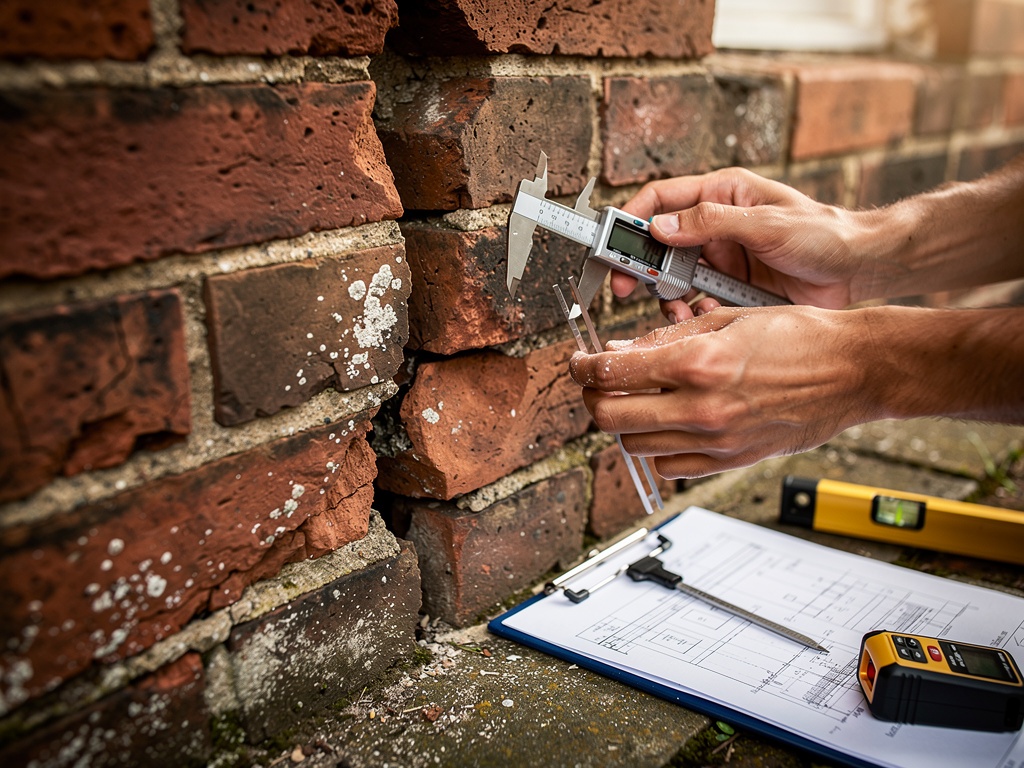
We inspect all external wall surfaces for signs of movement, cracking, dampness, spalling brickwork, failed mortar joints and defective render. Particular attention is paid to damp-proof courses, below-ground drainage, and the condition of gutters and downpipes — blockages here are a common cause of damp penetration in East Sussex's period properties.
Chimneys get special attention. Many properties in Crowborough have one or more chimneys that are no longer in active use, and these can develop serious issues over time — from frost-damaged brickwork to collapsed flue liners — that aren't visible from inside the property.
3. Windows, Doors and Frames
All accessible windows and doors are assessed for condition, functionality, draught-proofing and security. In older properties, timber windows often show signs of rot, particularly at the sill — an issue that's common in East Sussex's wetter climate. Double-glazed units are checked for failed seals (indicated by misting between the panes). The condition of external joinery significantly affects both energy efficiency and the fabric of the building.
4. Internal Areas: Ceilings, Walls and Floors
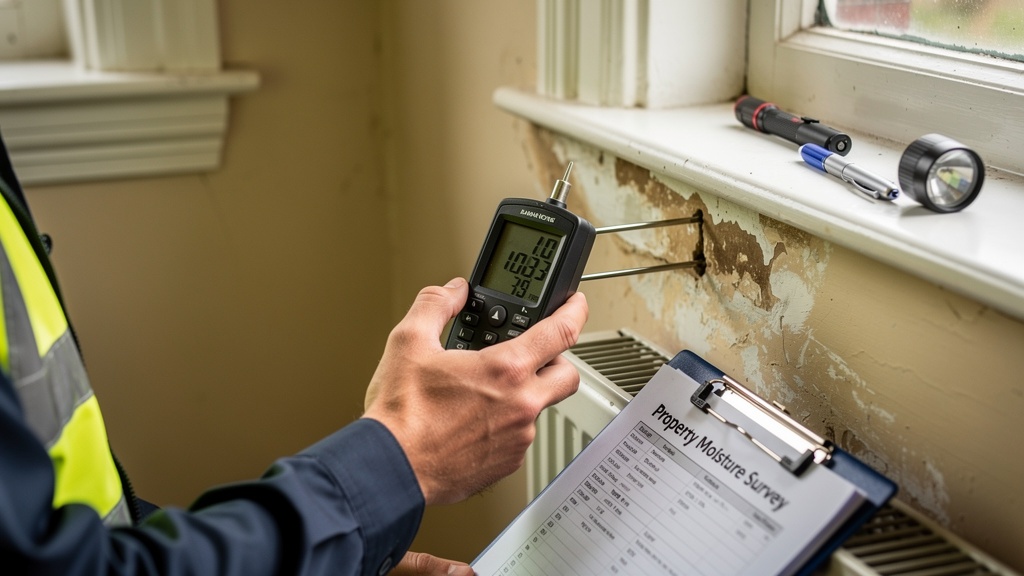
Inside, we inspect all visible ceilings, walls and floors for signs of damp, structural movement, timber defects and other issues. In older properties, original lime plaster is common — and responds very differently to moisture than modern plasterboard. We use a calibrated damp meter to check all ground-floor walls, below-ground areas and any areas showing visible signs of moisture.
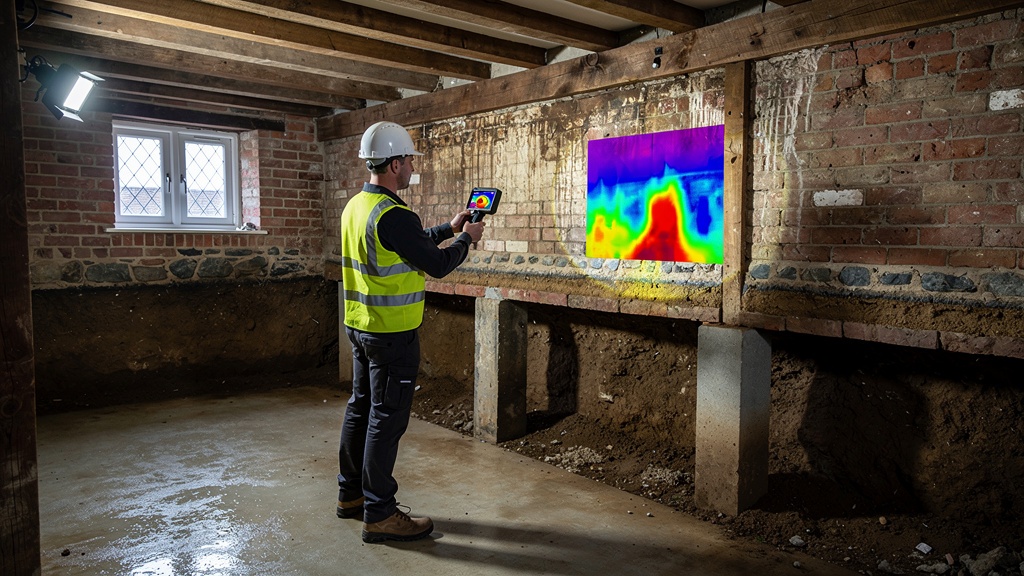
Floor construction is assessed — solid or suspended — and subfloor voids are inspected where accessible, including a check for adequate ventilation, timber decay, and any issues with the oversite.
5. Roof Void and Loft Space
This is one of the areas where a Level 3 survey goes significantly beyond a Level 2. Our surveyor will enter the loft space with a head torch and appropriate equipment to inspect the roof structure, insulation, ventilation, water tank condition, and any signs of water ingress, condensation or timber defects. Many significant roof problems only become visible from inside the loft.
Real example from a Crowborough survey
I recently surveyed a 1905 Edwardian semi in Crowborough that looked in good condition from the outside. The Level 3 survey revealed a significant area of wet rot in the roof timbers — confined to one section of the rear roof — caused by a small but long-standing water ingress at a valley junction. The owners had no idea. The repair cost approximately £3,500; the survey cost £780.
6. Services: Electrics, Plumbing and Heating
Our Level 3 survey includes a visual assessment of accessible electrical installations, plumbing and heating systems. We note the age and apparent condition of the consumer unit, check visible pipework and radiators, and assess the boiler installation. We'll flag anything that appears potentially unsafe or in need of specialist investigation — for example, an old fuse box, visible asbestos lagging on pipes, or a boiler that's showing its age.
Important caveat: a visual survey of services is not the same as a full electrical or gas safety inspection by a registered engineer. If we have concerns, we'll recommend you commission a specialist report.
7. Outbuildings and Site Drainage
Any significant outbuildings, garages, extensions or boundary structures are included in the survey scope. Surface water drainage paths, inspection covers (where safely accessible) and any signs of drainage issues are noted.
What You Get: The Survey Report
After the inspection, you receive a detailed written report — typically 40–80 pages for a Level 3 survey — with photographs of significant defects, a condition rating (1, 2 or 3) for every element inspected, and clear guidance on what repairs, investigations or maintenance are required. We also include a section on legal matters to raise with your solicitor, and — where requested — an estimate of repair costs.
We always call to discuss the report with you before or after you receive it. The report is only useful if you understand it — and that's our job.
How Much Does a Level 3 Survey Cost?
Our Level 3 Building Survey fees typically range from £650 to £1,200 depending on the size and complexity of the property. We always provide a fixed, all-inclusive quote before you commit. Contact us for a quick, no-obligation quote for your property in Crowborough or across East Sussex.