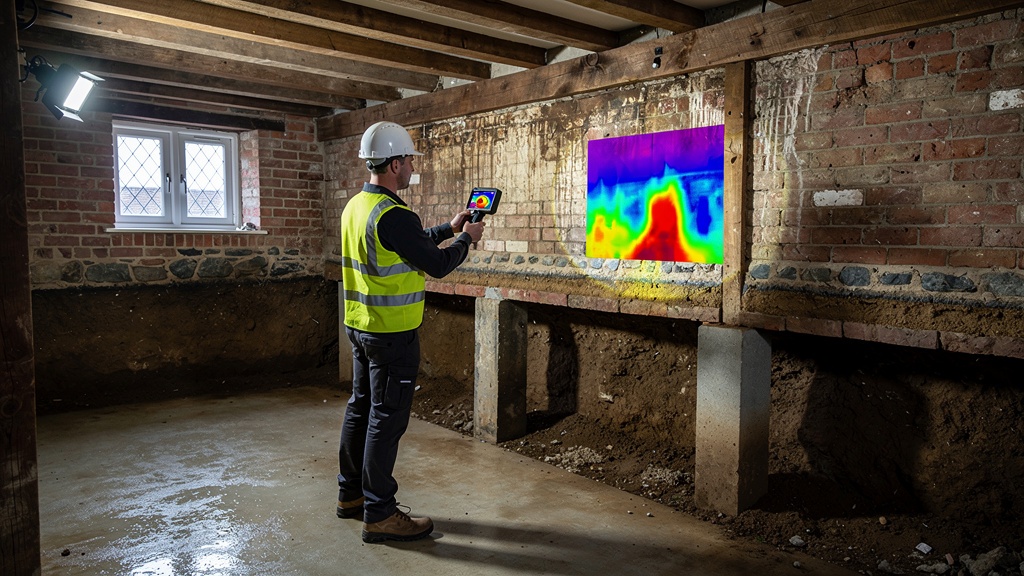
Crowborough Surveyors handles dozens of party wall enquiries every year. And almost every single one starts with the same question: "Do I actually need a party wall agreement for this?" It's a fair question — the Party Wall etc. Act 1996 is not always well understood, and the consequences of ignoring it can be significant.
In this guide, I'll explain exactly what the Party Wall Act covers, when you need to serve notice, what the process looks like, and how we can help you navigate it.
What Is the Party Wall etc. Act 1996?
The Party Wall etc. Act 1996 is a piece of legislation that governs works to shared walls, boundaries and excavations near neighbouring properties in England and Wales. It was introduced to provide a framework for resolving disputes between property owners before they escalate — and to protect the structural integrity of properties during building works.
The Act applies to three distinct types of work:
- Party wall works — work on a wall that is shared with a neighbour, or a wall that stands on the boundary
- Adjacent excavation — excavating within 3 metres of a neighbouring structure (or 6 metres in some cases)
- New wall on boundary — building a new wall at the boundary of two properties
Common Projects That Require Party Wall Notices
In our experience working as party wall surveyors across East Sussex and Kent, these are the most common situations where the Act applies:
- Loft conversions that affect a party wall (e.g. cutting into it or inserting beams)
- Rear or side extensions that are built up to or adjoin the party wall
- Basement excavations within 3–6 metres of the neighbour's structure
- Removing a chimney breast that is part of a party wall
- Underpinning foundations near a party wall
- Cutting in damp proof courses or flashing to a party wall
Important
Just because a project needs planning permission doesn't mean the party wall process is automatically triggered — and vice versa. A project might be permitted development (no planning permission needed) but still require a party wall notice. Always check both.
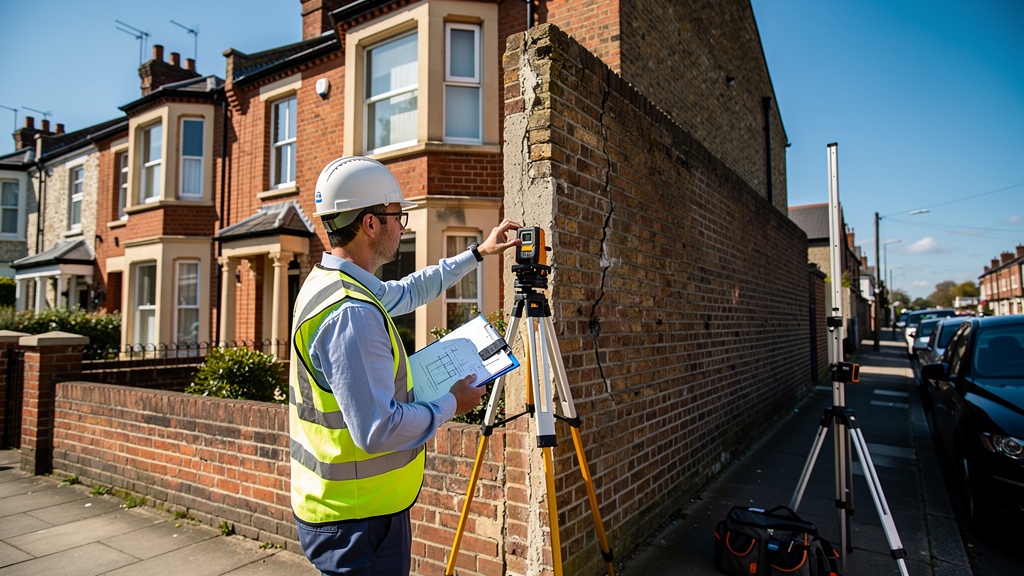
What Is the Party Wall Process?
Once you've established that the Act applies to your project, here's what happens:
Step 1: Serve the Party Wall Notice
You must serve a written party wall notice on all adjoining owners at least 2 months before work begins (for party wall works) or 1 month before (for line of junction works). The notice must include specific prescribed information — it's best to have a party wall surveyor prepare and serve this on your behalf.
Step 2: Your Neighbour Responds
Your neighbour has 14 days to respond. They can:
- Consent — in writing, meaning no further action is needed
- Dissent (disagree) — triggering the appointment of a party wall surveyor (or surveyors)
- Do nothing — if they don't respond within 14 days, a dispute is deemed to have arisen automatically
Step 3: Appointment of Surveyors
If there's a dispute (or deemed dispute), both parties can either agree on a single Agreed Surveyor to act for both, or each appoint their own surveyor. The two appointed surveyors then work together to produce a Party Wall Award.
Step 4: The Party Wall Award
The Party Wall Award (sometimes called an agreement) sets out the rights and obligations of both parties, the works to be undertaken, working hours, how the building owner will make good any damage, and access rights. It's legally binding on both parties.
"Many clients worry that a party wall dispute means their project is in jeopardy. In reality, the process almost always results in a fair resolution. I've never seen a reasonable project stopped outright by the party wall process — but I've seen plenty of projects cause serious neighbourly disputes when the Act was ignored." — James Hargreaves, Principal Surveyor, Crowborough Surveyors
What Happens If I Don't Serve Notice?
This is where things can get very expensive. If you proceed without serving the correct notice:
- Your neighbour can apply to court for an injunction to stop the works
- You could be liable for any damage caused to their property
- You may face costs in legal proceedings
- Your insurance may not cover claims arising from unnotified party wall works
The costs and stress of a party wall dispute in court can dwarf the cost of instructing a party wall surveyor from the start. It simply isn't worth the risk.
How Much Does a Party Wall Surveyor Cost?
Costs vary depending on the complexity of the works and the number of adjoining owners involved. Typically, the building owner (the person carrying out works) is responsible for the reasonable costs of the surveying process — including the adjoining owner's surveyor's fees, if they appoint one.
At Crowborough Surveyors, we provide clear, fixed-fee quotes for party wall work. Contact us for a no-obligation discussion about your project.
Frequently Asked Questions About Party Wall Surveying
Can I use the same surveyor as my neighbour?
Yes — if both parties agree, a single 'Agreed Surveyor' can act for both of you. This is often the most straightforward and cost-effective approach. However, if there's any significant conflict between the parties, it's usually better for each to have their own surveyor.
What if my neighbour refuses to engage?
If your neighbour refuses to appoint a surveyor or ignores the process, you can appoint a surveyor on their behalf under the Act. The process can then continue without their active participation.
Does the Act apply to detached houses?
Yes — the Act can apply to detached properties too, if you're excavating near the boundary of a neighbour's property. The party wall provisions (for works to a shared wall) only apply to semi-detached, terraced properties or houses with walls built right up to the boundary, but the excavation provisions apply more broadly.